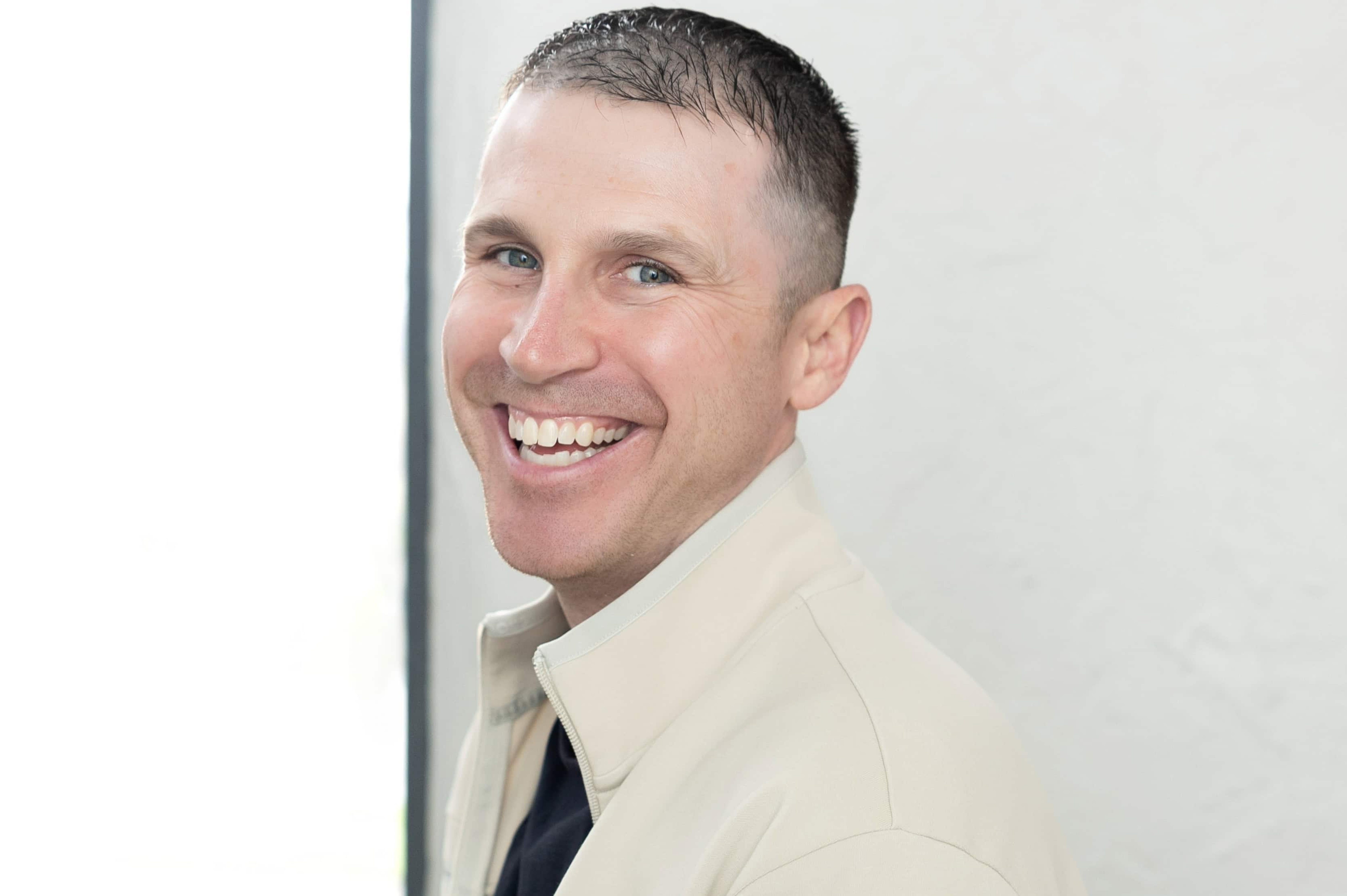

It doesn't happen all at once. A task here. A problem there. An inbox that is never empty. Then a week turns into a month. And then into a year. Most people can't point to the exact moment it happened. They just know that at some point they stopped dreaming about what their business could become and started thinking about how to just get through the day. That shift is quiet. But the result is the same. The creative space to dream was slowly filled up with the weight of the day to day.
I built a luxury experience based business here in Cleveland before I started Ascend CX. The experience wasn't just part of what was offered. It was the thing we were selling. So I know what it feels like to be inside that creative space. To dream for your business and your clients. And I know what it feels like when running the business slowly takes over. I'm writing this because I believe a lot of us are living in that second place right now. And we want to get back to dreaming.
What Was Living in That Creative Space
Think about who you were in the early days of building your business. You were watching what other businesses were doing. Not just inside your industry but outside of it. In the photography business we were pulling ideas from luxury hospitality, from theater, from retail brands that had nothing to do with cameras. Or sessions. We built a holiday experience where children would complete a scavenger hunt to find Santa's Magic Key and save Christmas. We put a rotary phone in Santa's workshop so children could dial in and watch a Frame TV on the wall come to life with Santa and Mrs. Claus answering with a personal message for them. A little girl kissing a plastic unicorn and believing she made the real one appear when she opened her eyes. None of those moments happened by accident. They were designed in the space between the operations. In the time we protected for thinking bigger.
That's what was living in that space. Innovation. Differentiation. A constant level of curiosity about how to be different in ways that actually mattered. And here's the thing about that kind of thinking. It compounds. Each improvement would build on the previous one. The experience gets better in ways the clients notice. Even if they can't name exactly what changed. That's not accidental. That's the result of an owner who had room to think.
When the operations started bleeding into that space, the compounding stopped. The business kept running. But it stopped getting better. And most owners don't catch it until they look up one day and realize the experience they're delivering looks basically the same as it did two years ago. They realize that they stopped dreaming for themselves. And for their clients.
Owner Burnout Doesn't Just Hurt You. It Hurts Your Clients.
When clients experience an unexpected improvement in how a service business treats them, something authentic happens that's hard to create any other way. They feel the bar rising. They feel the effort. And they feel something even more important than that. They feel like they were thought of. Like the business considered them before they even arrived. That the experience was designed with them specifically in mind.
That feeling is what generates referrals. Not just because the work was good. But because clients want to refer that great experience in their own world. When they tell a friend about your business, that referral reflects on them. It says something about their taste, their judgment, their ability to find the right people. That kind of referral only happens when the experience keeps surprising them. When they genuinely can't wait to tell someone about it.
When the creative space is gone, the experience doesn't collapse. It plateaus. It stops surprising people. Clients still get good work. But they stop feeling thought out. They stop feeling like the experience was designed with them in mind. And a client experience that stops surprising people eventually stops generating the kind of loyalty that grows a business. That plateau is expensive even when you can't see it on a spreadsheet.
How Can You Continue to Create? With Systems.
Here's the point of all this. Creating a great client experience is not something that just happens. It has to be intentional. You already create specific time for your day to day tasks because you have to. The invoices go out. The appointments get scheduled. The follow ups happen because you made them happen. But somewhere in all of that necessary work, the thinking about how to make the experience better got pushed out.
What if you could streamline those tasks, become more efficient with the duties that are required, and use that recovered time to actually build the experiences you want your clients to have? Not as a fantasy. But as a design decision. I know what that shift feels like from the inside. When we finally started pulling the details out of our heads and building them into the design of how our business actually ran, something changed that I didn't expect. It wasn't just that things ran smoother. It was that I started thinking bigger again. The focus moved from wanting to finish the race to asking how much more we could build. How much better we could make it. What we hadn't tried yet. That creative space came back. And when it did, our clients felt it before we ever told them anything had changed.
This is why I don't talk about systems as an efficiency play. Efficiency for its own sake is a fine goal but it's not the point. The point is that we have to take control of the business instead of letting the business run us. Designed systems protect the creative space. They push the operations back where they belong. So there's room for the thinking that makes the experience better. Room for the compounding to continue. Room for you to be the owner who's watching what a boutique hotel in Nashville is doing and thinking about how to bring that feeling into what your clients experience in Cleveland.
Most client retention problems aren't talent problems. The owner is good at what they do. The problem is a design problem. The experience lives in the owner's head, which means it's inconsistent. And even when it's consistent, it's not growing because the owner doesn't have the space to grow it.
That Owner Is Still in There
If you've read this far, you already know what I'm talking about. You remember what it felt like to have that creative space. You remember thinking bigger, pulling from outside your industry, making the experience better each time because you had the mental room to do it. You remember caring about the details in a way that felt energizing instead of exhausting.
That owner is still in there. The operations just buried them.
Getting that space back isn't about working harder or getting up earlier or finding another hour in the day. It's about designing the business so the tasks stop consuming everything. So the work that has to happen still happens, but it doesn't happen at the expense of the dreaming that makes your business worth talking about.
On the other side of that design work are clients who feel thought of. Clients who tell people. A business that compounds again instead of one that just survives the week.
You didn't start your business to let it run you. If you're ready to get that creative space back, the Transformation Engagement is where that work starts. It's not a consulting program where someone tells you what to do. It's the path to building a business that gives you room to think again, so your clients can feel the difference. Start with the Transformation Engagement and take the first step toward getting that space back.